As the Indian economy continues to grow at a remarkable pace, real estate remains one of the most powerful tools for wealth creation. Yet, a common dilemma many investors face when planning for the future is deciding between residential and commercial real estate investments. Each asset class offers unique advantages and risks, and the choice largely depends on your financial goals, investment strategy, and risk appetite. As we approach 2025, understanding the evolving dynamics of both residential and commercial markets becomes essential for making informed and profitable investment decisions.
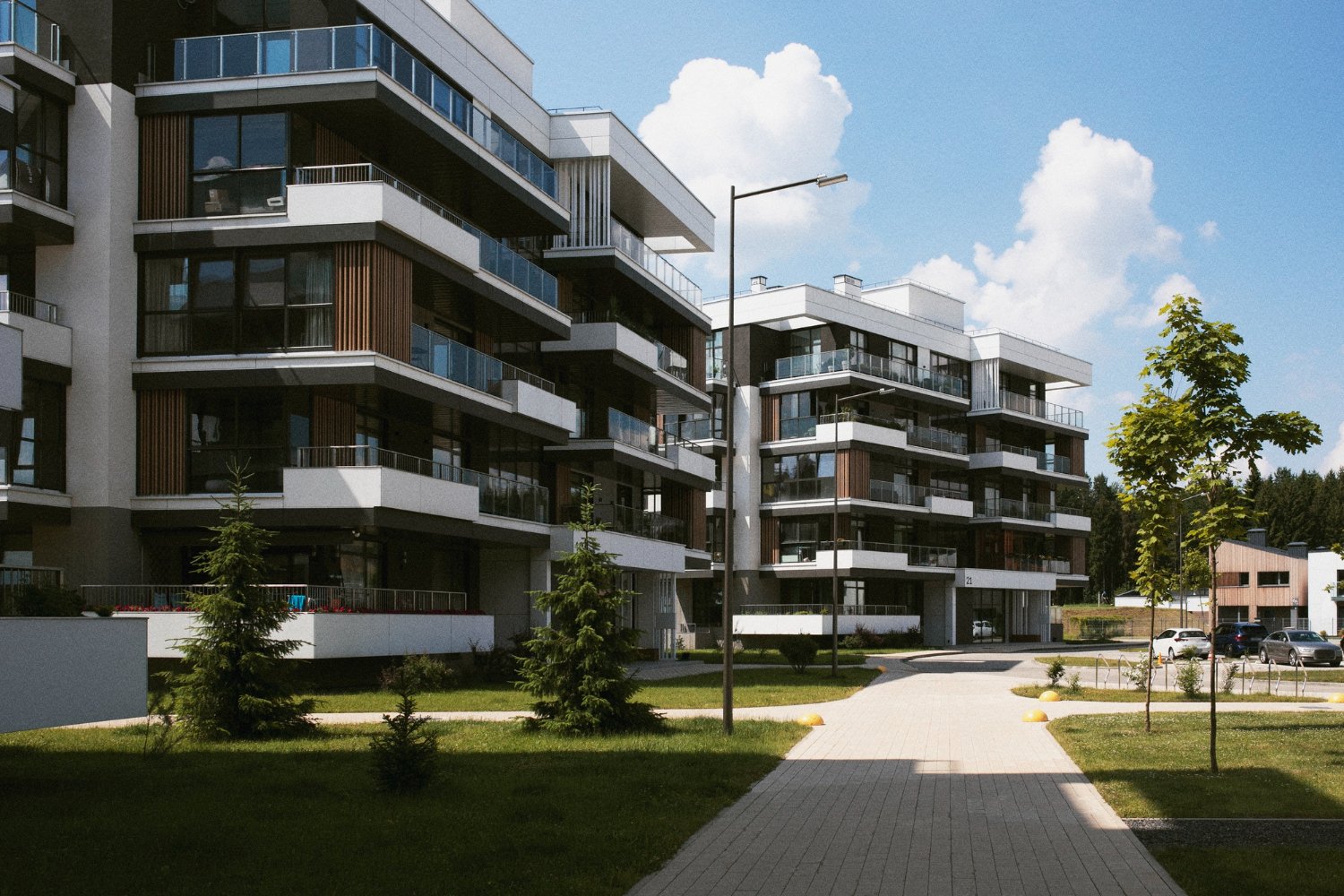
Residential real estate traditionally has been the preferred choice for individual investors in India. It offers familiarity, emotional value, and a relatively lower ticket size compared to commercial assets. Buying an apartment, villa, or plot feels tangible and often provides psychological satisfaction beyond financial returns. Residential properties also offer flexibility — you can live in them, rent them out, or hold them as a long-term investment. In booming cities like Ahmedabad, Surat, and Gandhinagar, residential properties have witnessed steady appreciation over the years, driven by urbanization, nuclear family trends, and rising incomes.
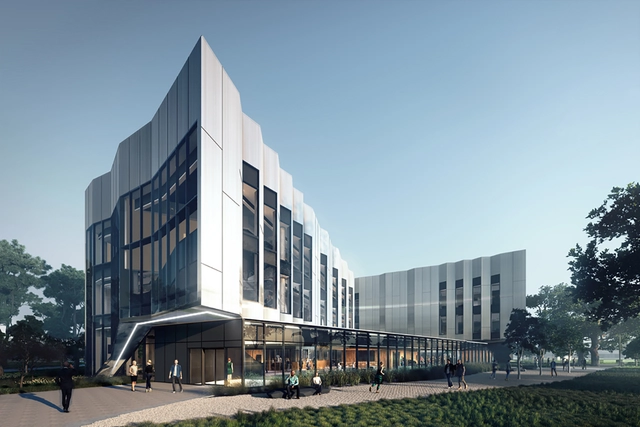
However, as India matures economically, commercial real estate is increasingly emerging as an equally, if not more, attractive investment avenue. Offices, retail spaces, warehouses, and co-working hubs offer higher rental yields compared to residential units. While residential rentals typically yield around 2% to 4% annually, commercial properties often offer yields in the range of 6% to 9%. With rising demand from multinational corporations, startups, logistics companies, and data centers, commercial spaces are becoming a magnet for high-quality tenants willing to pay premium rents.
Another key distinction lies in tenant behavior. In residential properties, tenants tend to change frequently, and property maintenance becomes a recurring task. In contrast, commercial tenants, especially corporate clients, sign longer lease agreements, often ranging from three to nine years. This provides investors with a stable, predictable cash flow and reduces the hassle of finding new tenants frequently. For investors seeking regular passive income, commercial real estate provides a stronger and more consistent cash inflow.